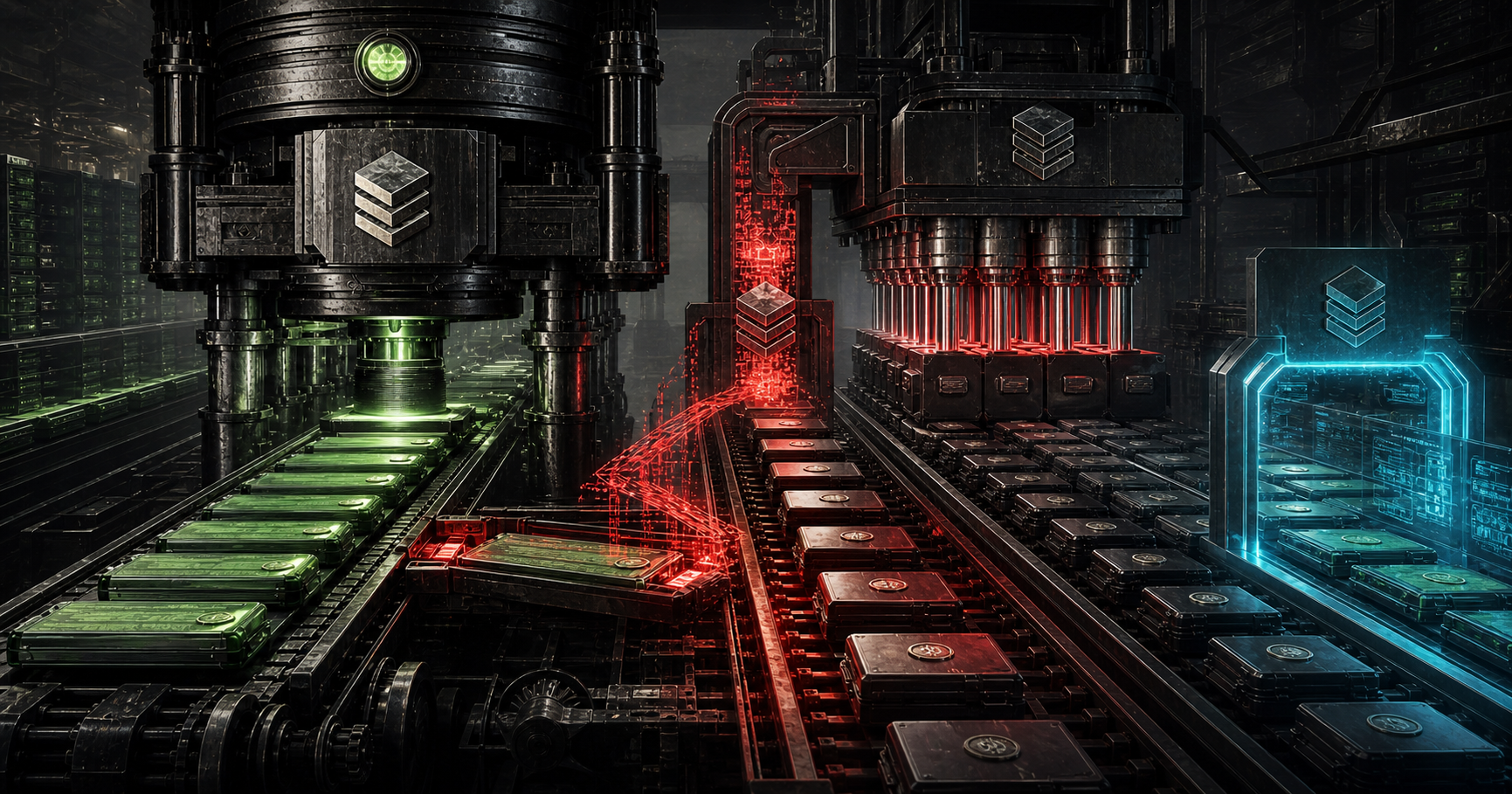
 SERVANTSTACK // INCIDENT INTELLIGENCEFORENSIC IMAGE // VERIFIED FRAME
Meta
An Automated Audit Command Erased Facebook From the Internet for 6 Hours
On October 4, 2021, during routine backbone maintenance, a Meta engineer issued an automated command intended only to assess the availability of global backbone capacity.
- 01TRIGGEROn October 4, 2021, during routine backbone maintenance, a Meta engineer issued an automated command intended only to…
- 02MACHINE ACTIONAutonomous actor
- 03MISSING GATEApproval gate, change freeze, and rollback validation
- 04IMPACTPhysical safety
The short version
On October 4, 2021, during routine backbone maintenance, a Meta engineer issued an automated command intended only to assess the availability of global backbone capacity.
Case telemetry
- INCIDENT
- SS-IR-025
- DATE
- October 4, 2021
- SYSTEM
- Meta
- LOCATION / SCOPE
- Global (Meta backbone, headquartered Menlo Park, California, USA)
- EVIDENCE
- Reported
- AI ROLE
- Autonomous actor
- HARM
- Physical safety
- SOURCES
- 2 cited records
The event
On October 4, 2021, during routine backbone maintenance, a Meta engineer issued an automated command intended only to assess the availability of global backbone capacity. Instead, the command took down every connection in Facebook's backbone network at once, disconnecting all of its data centers from each other and from the internet. With the backbone gone, Facebook's DNS servers -- which are configured to withdraw their BGP route advertisements whenever they cannot reach the data centers -- pulled those routes, and Facebook, Instagram, WhatsApp and Messenger vanished from the internet's routing tables. The blackout began at 15:39 UTC; Facebook only resumed announcing BGP routes around 21:00 UTC, with full restoration by roughly 22:50 UTC -- about six hours dark, affecting the company's family of apps used by some 3.5 billion people. Downdetector logged over 10 million problem reports, a record at the time. The same total loss of DNS that took down the public apps also knocked out Meta's own internal tools and even disabled employee security badges, locking engineers out of the buildings and server rooms they needed to fix it. The outage wiped more than $6 billion from Mark Zuckerberg's personal net worth and knocked roughly 5% off the stock that day.
What the machine did
An automated change-and-audit system, not a human, executed the fatal action. The command was meant to be safe, and Meta had built an audit tool specifically to catch and block exactly this kind of error before it could run. But a bug in that automated guardrail failed to stop the command, and there was no independent human approval gate standing between "an engineer types a capacity-assessment command" and "the entire global backbone goes dark." The change ran at machine speed against every region simultaneously, with no staged rollout, no human SME validating the blast radius, and no second pair of eyes confirming the audit tool's verdict. The single safety automation that was supposed to prevent the disaster was the only thing standing in the way -- and when it silently failed, nothing else did.
Where the failure landed
Facebook, Instagram, WhatsApp and Messenger -- a platform family used by roughly 3.5 billion people -- were offline globally for about six hours, the company's worst outage in years. WhatsApp's absence severed primary communications across countries where it is the default messaging service. The total DNS loss disabled Meta's internal investigation tools, so engineers were debugging blind, and security badges stopped working, physically locking staff out of the data centers needed to restore service. Recovery was slowed further because servers and routers could not be safely brought back all at once without risking cascading failures and power surges. Meta's stock fell about 5% on the day, Mark Zuckerberg's net worth dropped by more than $6 billion, and the company lost an estimated tens of millions of dollars in advertising revenue during the blackout.
Reported
Documented in the cited public record. Follow the sources for the precise evidentiary posture.
SOURCE RECORD UPDATED 2026-07-09
2 cited records
- 01Secondary / analysisMeta Engineering -- More details about the October 4 outage
- 02Secondary / analysisWikipedia -- 2021 Facebook outage
Approval gate, change freeze, and rollback validation
The failure pattern in this case: Automation executed an irreversible production change.
The moment the path could change
An accountable operator reviews scope and rollback evidence before destructive or production-wide execution.
Autonomy is a design choice.
See the operating model that keeps AI useful while preserving human authority at consequential moments.
Compare AgenticAI and AugmentedAI →