 SERVANTSTACK // INCIDENT INTELLIGENCEFORENSIC IMAGE // VERIFIED FRAME
Steve Kramer / Lingo Telecom
AI Voice-Clone of Biden Robocalled Up to 20,000 NH Voters to Suppress the Primary
Two days before New Hampshire's January 23, 2024 Democratic presidential primary, an AI voice clone of President Joe Biden called New Hampshire Democrats and told them not to vote.
- 01TRIGGERTwo days before New Hampshire's January 23, 2024 Democratic presidential primary, an AI voice clone of President Joe…
- 02MACHINE ACTIONFraud enabler
- 03MISSING GATEIdentity verification and dual control
- 04IMPACTFinancial harm
The short version
Two days before New Hampshire's January 23, 2024 Democratic presidential primary, an AI voice clone of President Joe Biden called New Hampshire Democrats and told them not to vote.
Case telemetry
- INCIDENT
- SS-IR-038
- DATE
- January 21, 2024
- SYSTEM
- Steve Kramer / Lingo Telecom
- LOCATION / SCOPE
- New Hampshire, United States
- EVIDENCE
- Reported
- AI ROLE
- Fraud enabler
- HARM
- Financial harm
- SOURCES
- 4 cited records
The event
Two days before New Hampshire's January 23, 2024 Democratic presidential primary, an AI voice clone of President Joe Biden called New Hampshire Democrats and told them not to vote. The cloned Biden urged recipients to "save your vote" for November, falsely implying that voting in the primary would forfeit their general-election ballot, and the calls were spoofed to appear to come from the personal number of a state party operative. Estimates of how many voters were reached range from roughly 5,000 (the volume Democratic consultant Steve Kramer admitted directing) to more than 20,000 (the New Hampshire Attorney General's estimate). Kramer commissioned the call for about $500 and was indicted on 13 felony counts of voter suppression plus 13 misdemeanor counts of impersonating a candidate. The FCC proposed a $6 million forfeiture against Kramer in September 2024; Lingo Telecom, the carrier that transmitted the spoofed traffic, settled with the FCC for $1 million on August 21, 2024 and agreed to enhanced caller-ID authentication. In June 2025 a Belknap County jury acquitted Kramer of all the felony charges.
What the machine did
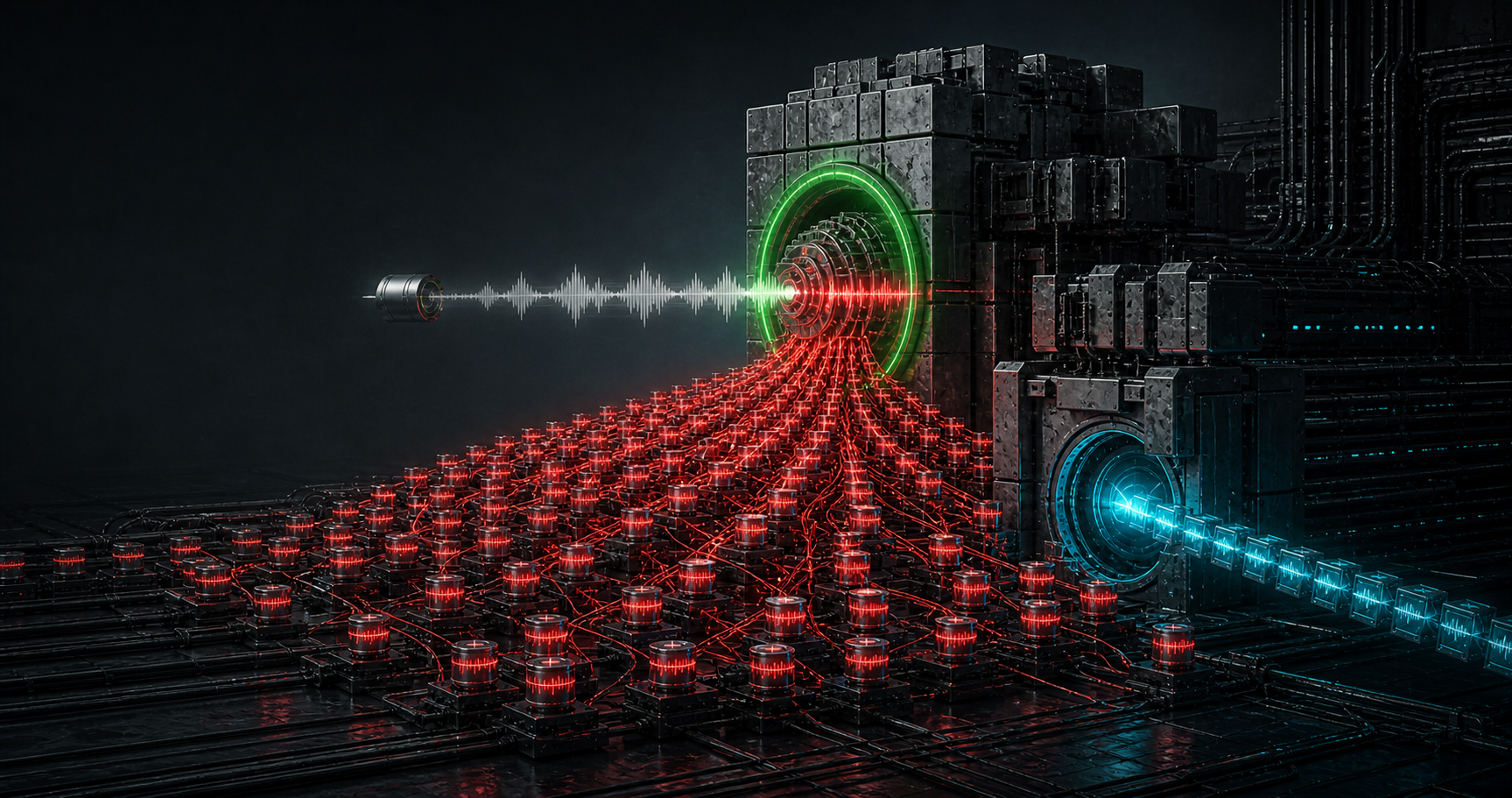
The Biden audio was synthetically generated. Forensic analyses by the security firm Pindrop and by UC Berkeley's Hany Farid attributed the cloned voice to the text-to-speech platform ElevenLabs, which at the time let a user clone a public figure's voice and produce convincing speech in minutes with no identity check, no consent verification, and no human review of who was being impersonated or what they were made to say. A single operator drove a script through a self-serve voice-cloning pipeline directly into a telecom carrier that performed no human validation of the call's authenticity, attestation, or content before transmitting it to tens of thousands of phones. At no point did a human gate stand between "generate a fake President" and "robodial it into a live election" -- the cloning vendor trusted the user, and the carrier trusted the traffic.
Where the failure landed
Up to 20,000+ New Hampshire voters received a deepfaked instruction to stay home from a sitting President's voice on the eve of a primary. The incident triggered a multi-state investigation, a $6 million proposed FCC forfeiture against Kramer, a $1 million FCC settlement and new authentication obligations for Lingo Telecom, felony indictments, and an FCC ruling that AI-generated voices in robocalls are illegal under the Telephone Consumer Protection Act. It became the canonical early example of generative AI weaponized for U.S. election interference and accelerated state-level deepfake-in-elections legislation. Kramer was ultimately acquitted of the felony counts in June 2025, underscoring how far enforcement lagged the technology.
Reported
Documented in the cited public record. Follow the sources for the precise evidentiary posture.
SOURCE RECORD UPDATED 2026-07-09
4 cited records
- 01Secondary / analysisNPR: Criminal charges and FCC fines issued for deepfake Biden robocalls
- 02Secondary / analysisCyberScoop: Lingo Telecom agrees to $1 million FCC fine over AI Biden robocall
- 03
- 04
Identity verification and dual control
The failure pattern in this case: Unverified identity or synthetic media.
The moment the path could change
A named reviewer verifies identity through a separate trusted channel before money, access, or public claims can move.
Autonomy is a design choice.
See the operating model that keeps AI useful while preserving human authority at consequential moments.
Compare AgenticAI and AugmentedAI →