 SERVANTSTACK // INCIDENT INTELLIGENCEFORENSIC IMAGE // VERIFIED FRAME
OpenClaw
Viral Open-Source AI Agent Becomes 2026's Biggest Agentic-AI Security Crisis - 135,000+ Exposed Instances and a Poisoned Skill Marketplace
OpenClaw, an open-source AI agent that amassed more than 135,000 GitHub stars within weeks, became the first major agentic-AI security crisis of 2026 .
- 01TRIGGEROpenClaw, an open-source AI agent that amassed more than 135,000 GitHub stars within weeks, became the first major…
- 02MACHINE ACTIONAutonomous actor
- 03MISSING GATETrust boundaries, least privilege, and output approval
- 04IMPACTData security
The short version
OpenClaw, an open-source AI agent that amassed more than 135,000 GitHub stars within weeks, became the first major agentic-AI security crisis of 2026 .
Case telemetry
- INCIDENT
- SS-IR-080
- DATE
- May 2026
- SYSTEM
- OpenClaw
- LOCATION / SCOPE
- Global
- EVIDENCE
- Documented
- AI ROLE
- Autonomous actor
- HARM
- Data security
- SOURCES
- 2 cited records
The event
OpenClaw, an open-source AI agent that amassed more than 135,000 GitHub stars within weeks, became the first major agentic-AI security crisis of 2026. A one-click remote-code-execution flaw (CVE-2026-25253, CVSS 8.8, via a WebSocket origin-validation gap) let an attacker hijack any running instance. Security firms scanning the internet found 135,000+ - by later counts up to 245,000 - publicly exposed OpenClaw servers. Researchers then disclosed "Claw Chain," four chainable vulnerabilities allowing sandbox escape, credential theft, privilege escalation, and persistence. Attackers also seeded OpenClaw's public skill marketplace, ClawHub, with malicious add-ons - roughly 341 of 2,857 skills, about 12% of the registry. New flaws continued to surface through May 2026.
What the machine did
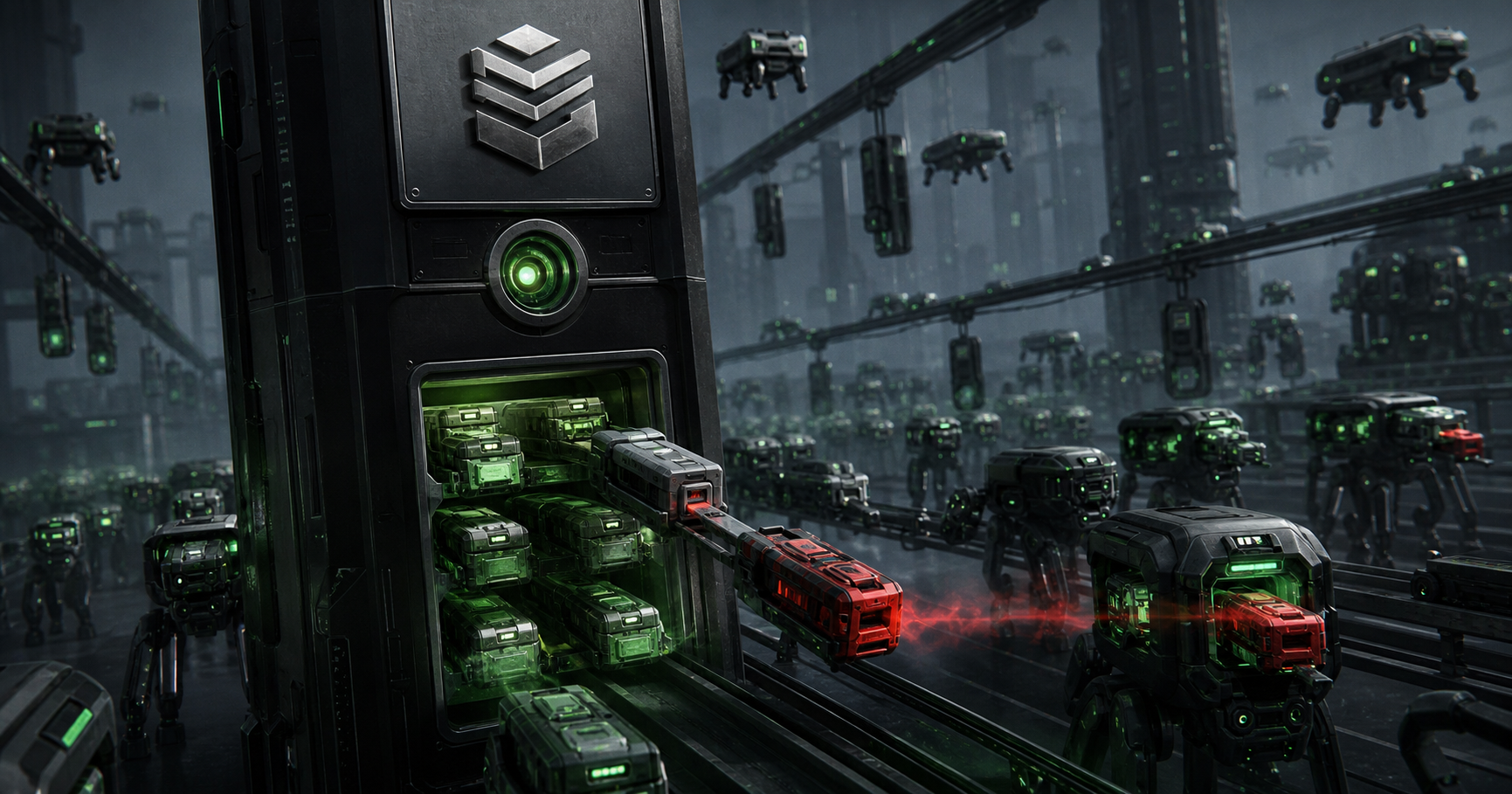
OpenClaw is the agentic-AI risk model in concentrated form: an autonomous agent with broad system access and an open extension marketplace, deployed publicly by tens of thousands of people with no security review. Each instance executes code and takes actions on its own - so a single exploit means full agent takeover, with whatever access that agent holds. The extensible "skills" design, meant to make the agent more capable, became a supply-chain attack surface where roughly one in eight available skills was malicious. Autonomy plus connectivity plus unvetted third-party code, multiplied across a quarter-million exposed servers.
Where the failure landed
Between 135,000 and 245,000 publicly exposed AI agents were left vulnerable to complete takeover - credential theft, privilege escalation, and persistent attacker access to whatever systems those agents could reach. A poisoned marketplace meant users installing "skills" were often installing malware. The episode became the defining example of the agentic-AI governance gap: organizations rushed autonomous agents onto the open internet faster than anyone secured them, and traditional tooling never saw the runtime takeovers coming.
Documented
Supported by a first-party disclosure, technical research, or corroborated reporting cited below.
SOURCE RECORD UPDATED 2026-07-09
2 cited records
- 01
- 02Secondary / analysisIBM X-Force
Trust boundaries, least privilege, and output approval
The failure pattern in this case: Untrusted input crossed a privileged boundary.
The moment the path could change
A security owner approves credential scope and externally visible actions before the agent can cross a trust boundary.
Autonomy is a design choice.
See the operating model that keeps AI useful while preserving human authority at consequential moments.
Compare AgenticAI and AugmentedAI →