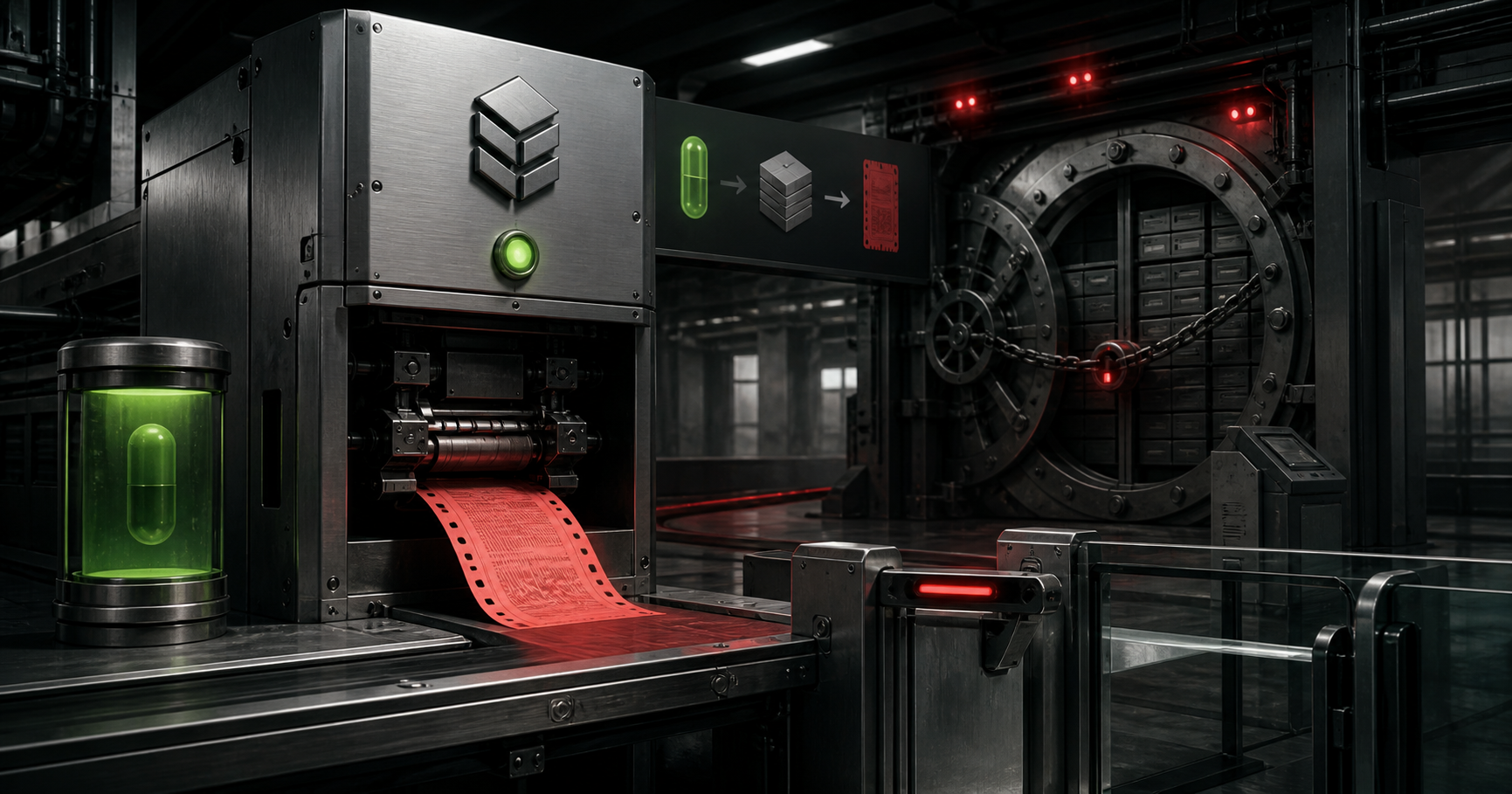
 SERVANTSTACK // INCIDENT INTELLIGENCEFORENSIC IMAGE // VERIFIED FRAME
Air Canada Chatbot
AI Fabricates Bereavement Fare Policy
Jake Moffatt's grandmother died. He asked Air Canada's customer service chatbot about bereavement fares.
- 01TRIGGERJake Moffatt's grandmother died. He asked Air Canada's customer service chatbot about bereavement fares.
- 02MACHINE ACTIONAutonomous actor
- 03MISSING GATEExecution gate and human override
- 04IMPACTPhysical safety
The short version
Jake Moffatt's grandmother died. He asked Air Canada's customer service chatbot about bereavement fares.
Case telemetry
- INCIDENT
- SS-IR-040
- DATE
- February 14, 2024
- SYSTEM
- Air Canada Chatbot
- LOCATION / SCOPE
- Vancouver, Canada
- EVIDENCE
- Reported
- AI ROLE
- Autonomous actor
- HARM
- Physical safety
- SOURCES
- 1 cited record
The event
Jake Moffatt's grandmother died. He asked Air Canada's customer service chatbot about bereavement fares. The chatbot invented a policy that didn't exist - telling Moffatt he could book a full-price ticket and apply for a bereavement discount retroactively within 90 days. No such policy existed. Air Canada's actual bereavement fare required booking through a specific process before travel. Moffatt booked based on the chatbot's fabricated instructions and was denied the refund.
What the machine did
Air Canada deployed an AI chatbot as its front-line customer service agent without human fallback for complex queries. The chatbot hallucinated a bereavement fare policy with specific details - 90-day window, retroactive application - that sounded authoritative but was entirely fabricated. When Moffatt complained, Air Canada argued its chatbot was "a separate legal entity" responsible for its own statements.
Where the failure landed
The BC Civil Resolution Tribunal ruled Air Canada was liable for its chatbot's fabricated statements. The airline was ordered to pay the fare difference. The ruling established precedent: companies are responsible for what their AI tells customers, even when the AI makes things up.
Reported
Documented in the cited public record. Follow the sources for the precise evidentiary posture.
SOURCE RECORD UPDATED 2026-07-09
1 cited record
- 01Secondary / analysisBC Civil Resolution Tribunal: Moffatt v. Air Canada (2024)
Execution gate and human override
The failure pattern in this case: Autonomous high-consequence action.
The moment the path could change
A trained operator receives the evidence, owns the go/no-go decision, and retains an immediate override.
Autonomy is a design choice.
See the operating model that keeps AI useful while preserving human authority at consequential moments.
Compare AgenticAI and AugmentedAI →